
Your Spine Health Specialists.
Your pain-free life, just around the corner.
Providing Superior Health and Balance Through Chiropractic.
"Chiropractic care is more than just making the pain disappear. It is about learning, understanding and taking care of your body to improve your quality of life."
We aim to educate our patients about Chiropractic and other natural solutions to common health problems in order to motivate you to take a more active and responsible role in restoring and maintaining your own health. As a chiropractor, we understand that although our patients may be diagnosed with the same condition, they respond very differently to treatments. For this reason, we tailor a specific plan of action to meet your needs, goals and unique medical and physical condition.

A Beautiful Chiropractic Office For All Your Wellness Needs.
Facility: We are proud to provide a state-of-the-art facility for the highest quality chiropractic care available. We welcome all patients as if they were family.
Appointments: Contact our office by phone or email. Emergency calls and appointments are available and welcome, especially for new patients seeking help.
Financial: We will submit all insurance forms for you and help you recover the most from your benefits. We accept check, cash, or any major credit card.
Cancellation: Please provide at least 24 hours notice if you need to cancel. We ask for this so we can offer the appointment to another patient.
Meet Our Doctors.
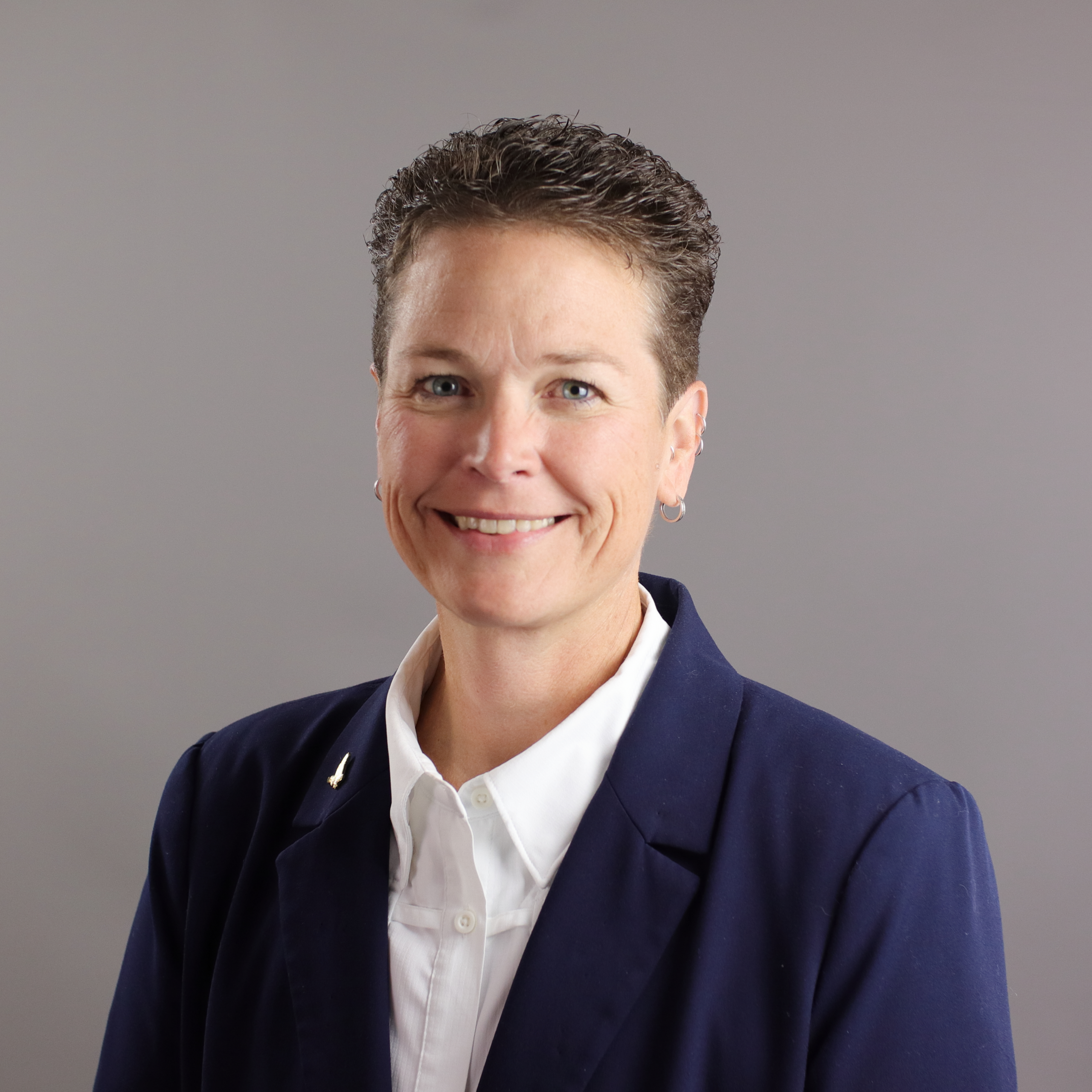
Dr. Lisa Beighle, DC
Born and raised in Canton, Ohio, Dr. Beighle earned her Bachelor's in Biology at the University of Akron, followed by a second Bachelor's in Human Anatomy and her Doctorate in Chiropractic in Lombard, Illinois. She is an active member of Advanced Management and Consulting (AMC), where she serves as a business coach and mentor to practicing chiropractors. She has received numerous certifications and awards of recognition for the advancement of the chiropractic profession. Outside of practice she enjoys spending time with family and friends, camping, hiking, fishing, traveling, and music.

Dr. Nailah Littlejohn, DC
Born and raised in Knoxville, Tennessee, Dr. Littlejohn earned her Bachelor of Science in Pre-Professional Biology from the University of Tennessee at Chattanooga, followed by a Master's in Sports Science and Rehabilitation and a Doctorate of Chiropractic from Logan University. Her clinical experience spans the Veterans Affairs healthcare system, Logan University's Sports and Rehabilitation Clinic, and work with professional and collegiate athletes including the St. Louis Ambush of the Major Arena Soccer League. A significant rugby injury introduced her to chiropractic care and shaped her commitment to helping others overcome challenges, restore movement, and return to the activities they love.
Our Services.
Adjustments and Manipulation
Gentle spinal adjustments to restore alignment and relieve pain.
Massage Therapy
Targeted soft tissue work to reduce tension and support healing.
Therapeutic Exercise
Customized exercises to rebuild strength, mobility, and stability.
X-Ray
On-site imaging to understand the structure of your spine and joints.
Electrical Muscle Stimulation
Therapeutic currents to calm muscle spasms and ease discomfort.
Interferential Electro-Therapy
Deep-penetrating therapy to reduce inflammation and promote healing.
Ultrasound
Therapeutic sound waves to support soft tissue repair and circulation.
Class IV Laser and Shockwave Therapy
.
What Our Patients Are Saying.
"Thank you so much for fixing Jasmine's intestinal troubles. Her doctor wanted to send her to a gastro specialist and put her on medications. You have not only put her tummy troubles to an end but she has not had another ear infection since she started coming. She is always excited to come to your office."
Kelly C.
"This place is like walking into a place where all your family is. Everyone has a smile and actually talks to you and makes you feel welcome. I've had some really big issues with my lower back and coming here has made me feel the best I have in years! The best part is NO MEDS!"
Daniel H.
"After years of thinking sciatic pain and foot pain are just the glories of aging — I was wrong. I am walking taller, almost no foot pain and my sciatica is improving. I even feel more positive energy. The staff is very welcoming. I wish I'd done this years ago."
Betty O.
Office Hours.
Monday: 8:30am – 6:00pm
Tuesday: 8:30am – 5:00pm
Wednesday: 8:30am – 6:00pm
Thursday: Closed
Friday: 8:30am – 6:00pm
Saturday: Closed
Sunday: Closed
Address: 216 Phoenix Ct, Ste A, Seymour TN 37865
Phone: 865-579-4066
Find Us.
Send Us A Message.
Contact Us
Copyright 2026 Mountain View Chiropractic. All rights reserved.